If you have heard this sentence at your own kitchen table, you are not the first parent in Harrow to hear it.
Most parents come to me partly because they have already heard a version of it.
The phrasing varies. "I don't want to do piano any more." "Can we stop the lessons?" "It's boring." "My friend doesn't have to do piano."
What I have learned, after eight years of teaching across Harrow, Pinner, Stanmore and Edgware, is that the sentence almost never means what it seems to mean.
It is rarely a verdict on the piano. It is almost always a signal about something else, and the something else is usually fixable.
What the sentence does mean is that you have a short window to act before the decision sets.
This article is the honest version of that window.
Not a pep talk.
Not a sales pitch.
An honest read from a Trinity Laban-trained teacher who has sat across kitchen tables with hundreds of families at exactly this moment, and who can usually tell within one trial lesson whether a child has lost piano, or simply lost their last six months of piano.
The five real reasons a child wants to quit piano
These are the five I keep meeting, in roughly the order they tend to show up. The first three account for more than ninety per cent of the cases I see.
1. The teacher is not the right fit
This is the most common cause, and it is the hardest one for a parent to consider, because it implies that a year of effort and lesson fees has gone nowhere.
It has not gone nowhere.
But it does mean the teacher and the child are not matched, and no amount of practice or parental encouragement will close the gap.
What this often looks like:
- Your child enjoys playing the piano at home but resists going to lessons
- They cannot tell you what they are working on, or why
- The same pieces have been in the lesson book for two months or more
- Feedback from the teacher is consistently vague: "doing well", "needs more practice"
- Your child does not seem to like the teacher as a person
A child who plays the piano happily at home but dreads Wednesday afternoons has not lost interest in piano. They have lost interest in this teacher.
A thirty-minute trial lesson with a second teacher is the cleanest way to find out. A child who comes out energised and chatty about what they learned has not lost piano. They had a teacher problem.
2. The music has become wrong
Music that is too easy bores a child. Music that is too hard makes them give up before they have begun. Music that is the right level but in a style they cannot connect with leaves them flat in a way that is harder to spot.
Most teachers stay on a piece for too long. Most ABRSM and Trinity exam books contain three pieces a child has chosen because they had to choose three, not because they love any of them.
What this often looks like:
- They complain about specific pieces, not piano in general
- They light up when they hear a song outside the curriculum: a film theme, a pop song, something they heard from a friend at school
- They never play "extra" outside the assigned material
The fix is rarely complicated. A good teacher swaps in a piece the child has asked for, even if it sits outside the exam syllabus, even if it costs a month against the next grade. The grade matters less than the relationship between the child and the instrument.
A teacher who refuses to do this is the wrong teacher.
3. Practice has become a battle
The most common version of this is not the child's fault.
The child does not want to practise.
The parent insists.
The child practises grudgingly for the required time.
The parent feels relieved.
The child now associates the piano with conflict, and motivation drops further the next week.
This is not a child who wants to quit. This is a child whose home has linked the piano to a fight, and the only way to escape the fight is to stop the cause.
I have written about this at length in How to help your child practise piano without the battles. The short version is this. Drop the practice expectation to five minutes a day, every day, no exceptions. Stop attending the practice. Stop correcting. Stop comparing.
You will be surprised what happens in a fortnight.
4. They have hit a wall, and their confidence has dropped
This usually happens around Grade 2 to Grade 3, when the music gets meaningfully harder and the rate of visible progress slows.
A six-year-old learning their first piece moves from "cannot play anything" to "can play Twinkle Twinkle" in three lessons. The progress is enormous, and it is visible.
A nine-year-old learning a Grade 3 piece moves from "can play it badly" to "can play it slightly less badly" over a fortnight. The progress is real, but to them it is invisible.
What this often looks like:
- They used to enjoy the lesson and now seem to dread it
- They start saying "I'm rubbish" or "I can't do this"
- They compare themselves unfavourably to a friend or a sibling
The fix here is short pieces, fast wins, and a teacher who can break a hard passage into bars rather than pages. Confidence has to be rebuilt before motivation will return.
If you want a sense of the right amount of practice by age (which matters a great deal during a confidence wobble), I have written a separate piece on that: how long should my child practise piano.
5. They genuinely do not enjoy the piano
This is the rarest cause, but it is a real one, and a parent has to be honest enough to consider it.
Some children are not drawn to the piano. Some are drawn to other instruments. Some are drawn to no instrument at all, at least not yet.
If, after working through the four causes above, your child still has no interest, and they have given the instrument a real chance (at least a year, with the right teacher and the right music), it is fine to stop.
Music is not compulsory. Stopping piano at age ten because they prefer drums, or singing, or rugby, is not a failure. It is a normal, healthy choice.
What you do not want is a quiet resentment that lasts into adulthood. I have taught dozens of adults who tell me, on their first lesson, "my parents made me do piano until I was twelve and I haven't touched it since." That is the outcome to avoid.
A four-week way to find out
If you are not sure which of the five reasons applies to your child, try this.
It takes four weeks and gives you a clear answer.
Week one. Drop practice to five minutes a day, every day. No correction, no comments, no attendance. Just five minutes after dinner. Observe.
Week two. Let your child pick one piece they actually want to play: a song from a film, a pop tune, something a friend plays at school. Ask the teacher to teach it in the next lesson. Notice whether the lesson energy changes.
Week three. Book a trial lesson with a different teacher. It does not have to be us. Watch your child's face when they come out, and ask them one question: "what did you learn?"
Week four. Sit down with your child for five minutes. Ask them, plainly, "if you could choose, would you want to keep piano, change something, or stop?" Listen without arguing.
At the end of week four, you will know which of the five reasons applies. The answer is almost never "they have lost piano".
What to try before quitting
Change the music for two weeks
Ask the teacher to drop the exam piece and pick something the child genuinely wants to play. Most teachers will say yes. The few who refuse are telling you something useful about themselves.
Rewrite the practice contract
Drop the time. Drop the policing. Drop the comparisons. Move the piano if the current location has become associated with conflict. Practice happens when a child sits down voluntarily, not when you have demanded it.
Our free 4-Week Practice Plan PDF walks parents through exactly this, week by week. It is the same plan I give to families on day one of a trial.
Get an honest second opinion
A trial lesson with a different teacher is the cheapest, fastest way to find out whether the problem is the teacher, the music, the child, or the practice culture at home. A good second teacher will tell you the truth, even if it means losing a potential booking.
Take a structured pause
If none of the above works, agree a four-week pause with a defined end. Not a vague "let's see". A real, calendared pause with a date in the diary. Most children come back to the piano during the pause, voluntarily. The ones who do not are giving you a clearer answer than they could put into words.
A pause is different from quitting. Quitting closes the door. A pause holds it open.
When it is genuinely time to stop
If, after the four-week diagnostic and at least one of the interventions above, your child still has no interest, and they have given the instrument at least a year of proper teaching, it is fine to stop.
The signs that it is the right call:
- They light up when other activities (sport, art, drama, another instrument) come up
- The pause did not make them miss it
- They give a clear, considered answer when you ask the week-four question
- You can see the difference between "I want to stop because it is hard" and "I want to stop because this is not for me"
Stop without guilt. Tell the teacher honestly. Most teachers would rather a child stop on good terms than be dragged through another six unhappy months.
Leave the piano where it is. Many children come back to it as teenagers or adults, when the choice is theirs.
How a thirty-minute trial lesson helps
If you are reading this and are not sure which of the five reasons applies, a trial lesson is the fastest honest read available.
What we do in thirty minutes:
- Listen to your child play whatever they are currently working on
- Ask them what they want to play instead, and try a bar or two of it together
- Spot, in real time, whether the issue is the teacher, the music, confidence, or interest
- Give you, the parent, an honest read at the end
The cost is ten pounds. The whole appointment is at a real piano, with a real teacher, in Harrow or in your home across HA1 to HA8. No commitment afterwards. No pressure to sign up.
If we are right for your child, you will see it on their face on the way out. If we are not, we will tell you, and point you towards someone who is.
Most of the families I have helped through this decision did not switch to us. They switched to a teacher who was a better fit for their child. That is the right outcome too.
Book a trial lesson, or read more about how we teach first.
A short final word
The first piece of advice I give to any parent in this situation is this.
Take it seriously, but do not catastrophise it.
Children change their minds about activities every six weeks. Piano is no different to football or art class in that respect. The fact that they have asked to stop does not mean they will, and the fact that you are doing the work of finding out the real cause is exactly the kind of parent piano teachers wish they had more of.
The window is short.
The cost of getting it wrong is a child who never plays again.
The cost of getting it right is a child who, twenty years from now, sits down at a piano at a party, and remembers how.
Ready to put this into practice? Book a trial piano lesson with a conservatoire-trained teacher.
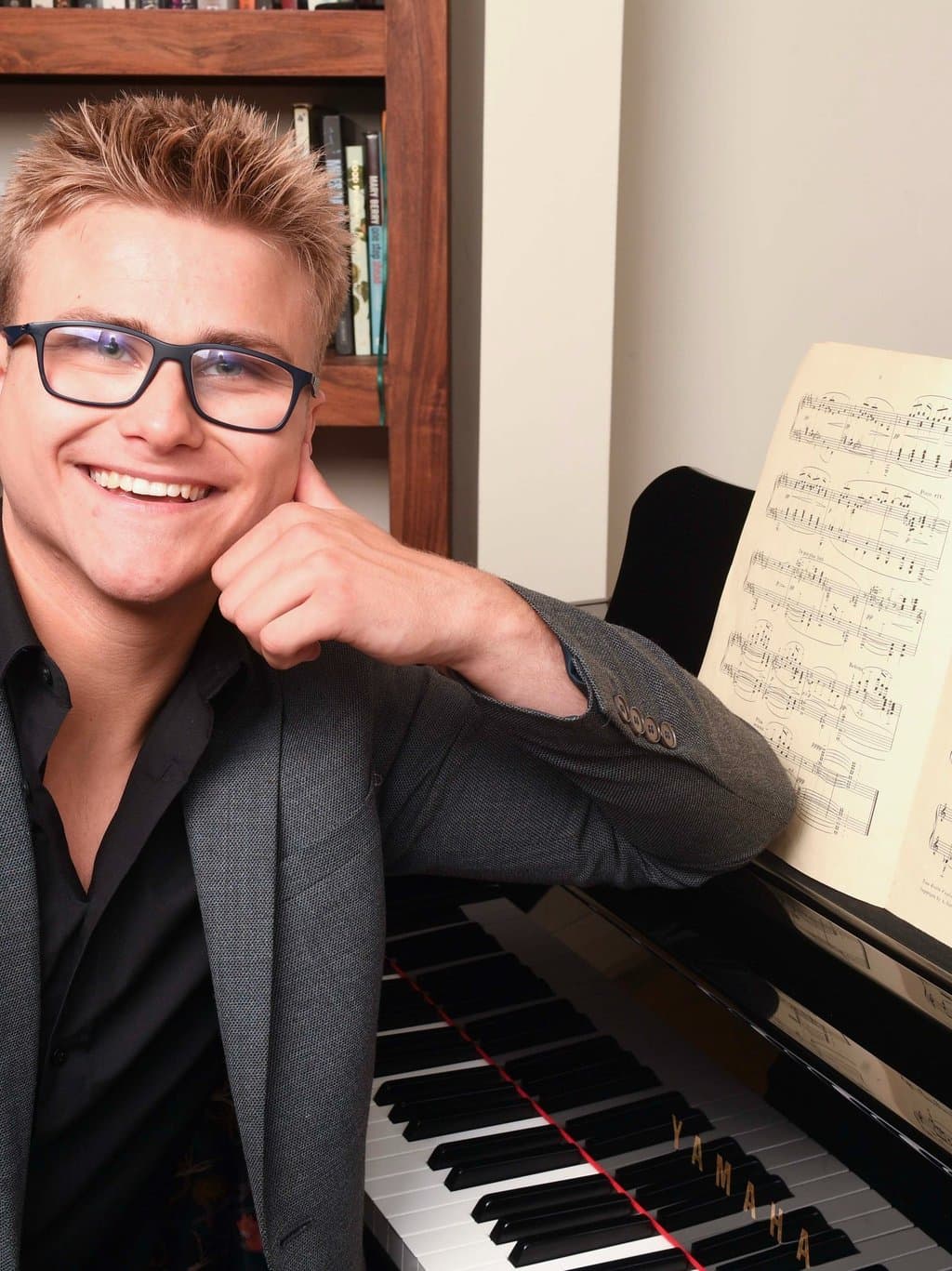
Written by
Norbert Steczkowski
Trinity Laban-trained pianist and piano teacher at Piano with Norbert. Active performer across London. Serving Harrow, Pinner, Stanmore and surrounding areas. More about the team →