Most adult learners I meet have been thinking about piano for years.
They had a few lessons as a child.
Or they never did and always wished they had.
Or they grew up with a piano in the house that no one played.
They walk in slightly nervous, often apologising for their hands, wanting permission to be a beginner without feeling stupid about it.
Permission granted.
This post is the honest version of what happens after you book the first lesson.
The first lesson is mostly conversation
You will play a bit.
We will work on hand position, find middle C, get you reading a single line of music if you do not already, and probably play a short piece of something you actually like by the end of the half hour.
But the more important part of the first lesson is the conversation.
What I want to know
I want to know what kind of music you grew up with.
What you wish you could play.
Whether you have a piano at home, and if not, how we are going to get one or set up a digital.
Whether you have any physical issues we need to know about (wrist or shoulder problems, anxiety about being judged, anything).
The lessons get tailored from there.
What you'll leave with
You will leave the first lesson with one piece to learn and a clear sense of what the next month looks like.
No homework you cannot manage.
No long lecture.
Real, manageable work.
The first month: less than you think, and more
You will feel awkward in week two.
This is normal.
Adult brains are wired to feel competent at things, and piano takes weeks before you feel anything resembling competent.
The trick is to lean into the awkwardness rather than fight it.
Practice 20 minutes most days.
Don't try to be perfect.
Do try to be consistent.
What you'll achieve in four weeks
By the end of week four, most adult learners can:
- Read a simple single line in C major in real time
- Play a beginner-level piece hands together (slowly)
- Hold passable hand position without thinking about it
- Talk meaningfully about what notes are doing to each other
None of this is virtuosic.
All of it is foundation.
The students who skip the foundation in pursuit of fast progress always regret it around month four when they hit a piece they cannot play because their basics are shaky.
Three to six months in
This is the stage where most adult learners suddenly feel real.
The reading clicks.
The coordination starts to flow.
You can play a few short pieces from start to finish without stopping.
Friends and family start asking what you have been doing because something has visibly changed in how you talk about music.
The four-month dip
Around the four-month mark there is also typically a small motivation dip.
The novelty has worn off.
The pieces are getting harder.
The progress per week has slowed.
This is normal and survivable.
The adults who push through the four-month dip almost always end up sticking with it for years.
Where exams fit in
If you want to sit a graded exam, this is roughly when you would start preparing for ABRSM, Trinity or RSL Grade 1.
Plenty of adult learners never sit a single exam and progress beautifully without one.
Both routes work.
More on which exam board fits which student in another post.
What works, what doesn't
What works
Daily 20-minute practice.
Choosing repertoire you actually love.
Playing for yourself, not for anyone else.
Mixing "learning" with "just playing", half practice, half mucking about.
What doesn't work
Two-hour Sunday practice and nothing the rest of the week.
Comparing yourself to children on YouTube.
Trying to play pieces three grades above your current level.
Beating yourself up for missing a day.
One specific piece of advice
Most adult learners are too hard on themselves.
The piano is a difficult instrument and you are an adult with a job and probably a family.
Progress will come.
Trust the process.
What we teach in adult lessons
It depends entirely on what you want to play.
Our two teachers handle different angles.
Norbert
Covers classical piano (Bach through Debussy through contemporary composers), jazz piano, ABRSM and Trinity exam preparation, and music theory.
Trinity Laban-trained, performs regularly across London.
The right fit if you want a structured classical foundation, or want to work towards exams.
Declan
Covers blues, rock, pop, contemporary songwriting accompaniment, and the RSL syllabus.
BIMM London-trained.
The right fit if you grew up on Stevie Wonder, Elton John, Billy Joel or want to play modern pop without the formality of classical training.
Most adult learners stick with one teacher long-term, but we are flexible.
If you want to spend a month exploring a different style, we will move you over.
Frequently asked
Am I too old to start piano lessons?
The oldest student we have started teaching from scratch was in their late seventies.
Adult brains are perfectly capable of learning piano.
The honest blocker for most adult learners is finding 20 minutes a day to practise.
Do I need to read music?
No.
We teach reading from your first lesson, alongside playing.
Most adult beginners read a basic single line within four to six weeks.
If you would rather learn primarily by ear or by chord symbols, we can teach that route too.
Will I have to do exams?
Only if you want to.
Many of our adult learners never sit an exam and progress beautifully.
Others find the structure motivating.
Both are valid.
I tried piano lessons before and gave up. Will this be different?
Probably yes.
Most adults who quit before describe lessons that felt boring or focused on pieces they did not care about.
Our default is the opposite: lessons built around music you actually want to play, paced so progress feels real, with a teacher who is in the room with you rather than going through motions.
Try a trial and see for yourself.
Can I learn online?
Yes.
Online lessons work surprisingly well once the camera angle and audio are right.
Many of our adult students mix in-person during term time with online during work travel or holidays.
The teaching is the same.
If you have been thinking about it, this is your nudge.
Book a trial lesson and we will see if we are the right fit.
Ready to put this into practice? Book a trial piano lesson with a conservatoire-trained teacher.
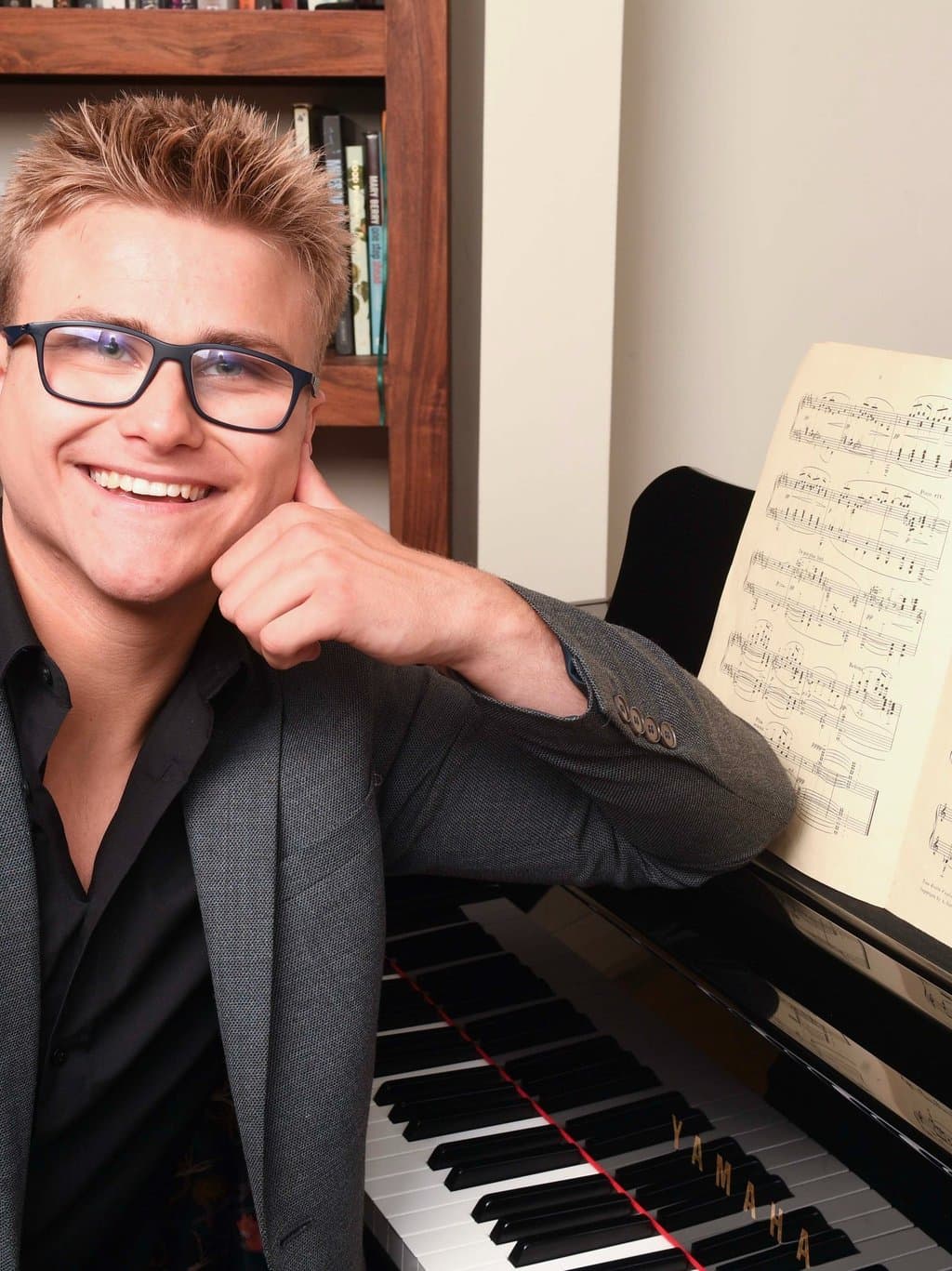
Written by
Norbert Steczkowski
Trinity Laban-trained pianist and piano teacher at Piano with Norbert. Active performer across London. Serving Harrow, Pinner, Stanmore and surrounding areas. More about the team →